
The damage is only part of the story.
Cause, timing, and documentation often decide the outcome as much as the damage itself. Find the category that matches your situation below.
Every type of claim the firm reviews.
Select the category that matches your situation. Each page walks through what usually makes that type of claim difficult and what to expect.
Hurricane and Storm
Named storms, wind, and disputed causation between wind and flood. One storm can create several types of damage at once.
Water Damage
Plumbing failures, sudden discharges, and interior water intrusion. Cause, timing, and scope are usually the pressure points.
Roof and Wind
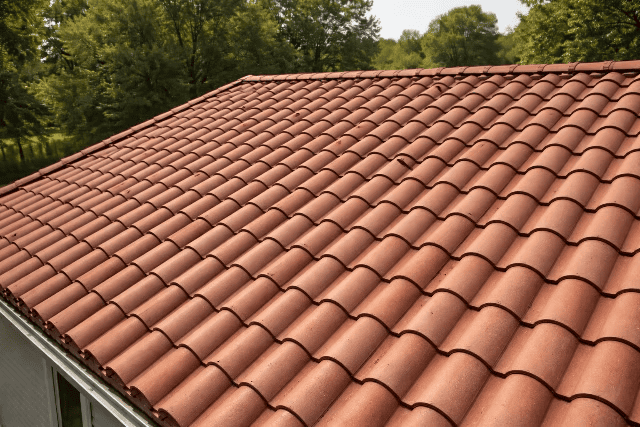
Tile, shingle, and flat roofs. Age versus storm, matching, and interior water intrusion.
Mold Damage
Often overlooked and underdocumented. A common secondary issue in Florida water claims, with real health implications.
Fire and Smoke
Structural damage, smoke and soot, contents, and firefighting water.
Hail Damage
Uncommon in South Florida, but serious where it strikes. Handled statewide.
Commercial and Large Loss
Business income, extra expense, and coverage disputes on major properties.
Condominium and HOA
Unit owner and master policies, and how responsibility is divided.
Sound familiar?
Regardless of the type of damage, contested claims tend to come back to the same short list of issues.

Denial letter is hard to understand
Reasons cited don't seem to match what happened.

Insurer's estimate is much smaller
Line items appear missing, low, or over-depreciated.
Same documents keep getting requested
Materials already sent are asked for again.

The adjuster keeps changing
Continuity is broken, decision dates keep moving.

Scope of repair doesn't match damage
Rooms or systems visibly affected are left out.

Pressure to sign or accept quickly
You're asked to decide without time to review.
What a strong claim file usually looks like.
"Consistent documentation is what allows the record to speak for itself."
Not every claim needs an attorney. Some do.
Legal review tends to be useful when the disagreement is about coverage interpretation, when the shortfall between payment and repair estimate is significant, or when the file has been open long enough that the property is deteriorating, whatever the type of damage.