
Commercial claims carry higher stakes, and insurers respond accordingly.
Business interruption, complex structures, and larger dollar amounts change how these claims get handled. Tell us what happened and find out where your claim actually stands.
Free case review. Takes about two minutes, a team member follows up personally.

What causes it, and why coverage gets complicated.
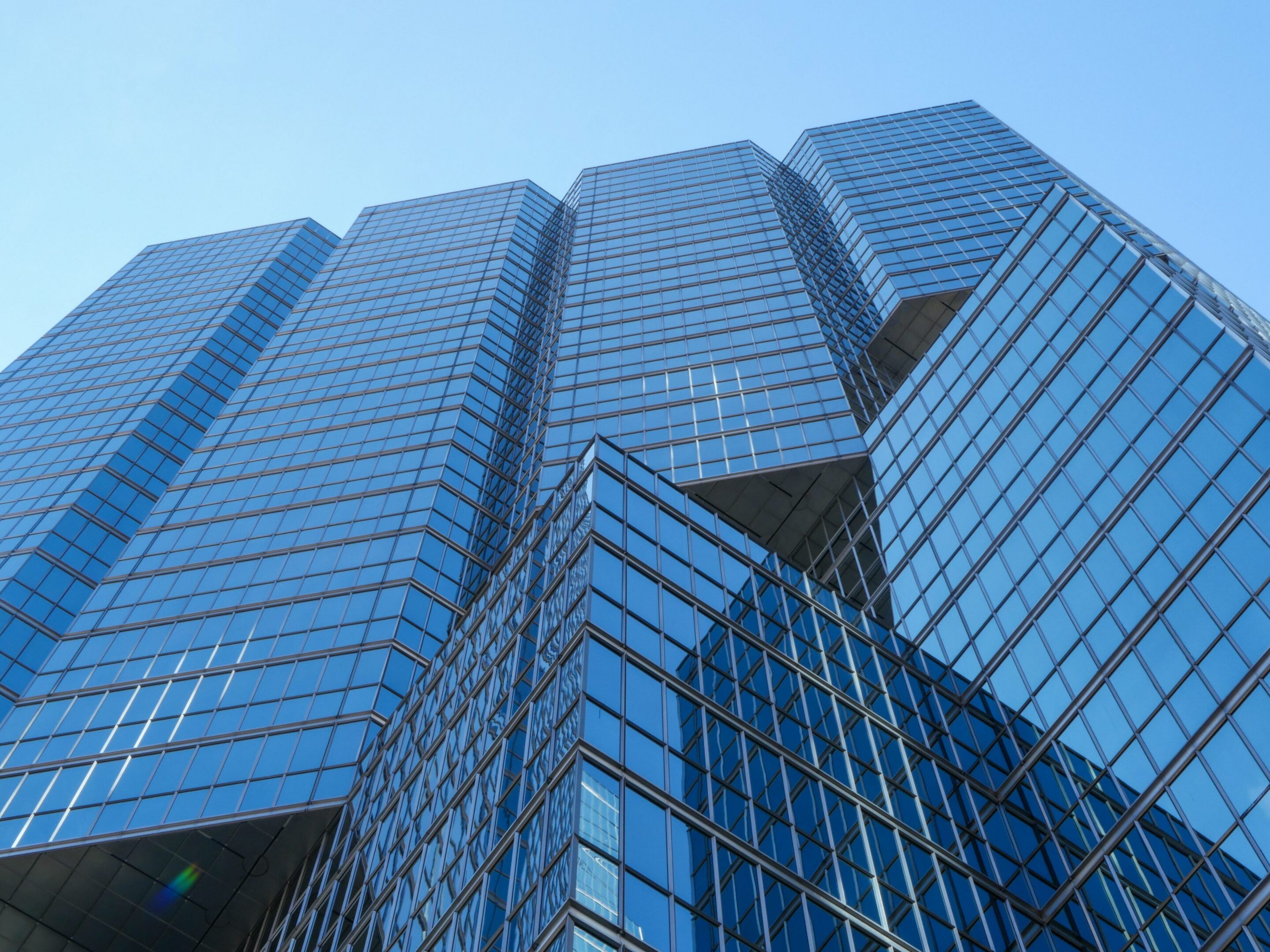
Commercial property claims can involve multiple buildings or units, specialized equipment, business-income losses, larger policy limits, and several parties with different responsibilities. Insurers may assign specialized adjusters and outside experts, which makes a clear record especially important.
Large losses can also bring closer scrutiny to repair scope, valuation, business-income calculations, and the documentation supporting each part of the claim.
Where these claims tend to break down.
Business-income and extra-expense claims can become difficult when revenue is seasonal, the business recently grew, operations changed, or records do not neatly show what would have happened without the loss.
The carrier may rely on engineers, consultants, or accountants whose conclusions differ from the property owner’s contractors or financial professionals. Those disagreements can affect both the repair scope and the amount of the claimed loss.
Keep detailed financial records, insurance policy documents, and repair estimates from multiple contractors. For a significant loss, an early legal review can help determine what experts and documentation the claim may need.

Direct Attorney Access
You work directly with the attorneys on your file, not a rotating call center or a case manager you've never spoken to.

Clear Communication, Every Step
You will know where your claim stands and what happens next. No radio silence, no guessing.

Honest, Client-First Advocacy
Every case gets reviewed honestly, including telling you directly when litigation isn't the right next step.

Local Roots, Statewide Reach
Based in South Florida, representing policyholders throughout the state in property insurance disputes.
Free initial consultation, no obligation.
A short note about the loss and where the claim stands is enough to start a review.
Signals worth noting
If this sounds familiar, a legal review may help.

Insurer assigned a large-loss adjuster and the claim's tone has changed
Business interruption calculation doesn't reflect actual lost income
Insurer's engineer report conflicts with your own contractor's assessment
Claim involves multiple units, tenants, or buildings with different coverage questions
A few that come up most.
Commercial claims often involve larger policy limits, business interruption coverage, multiple structures or tenants, and more scrutiny from the insurer, including specialized adjusters and outside experts.
Many commercial property policies include business interruption or business income coverage, though how that loss is calculated and what documentation is required varies by policy.
An insurer's engineer report isn't the final word. A second, independent assessment and detailed documentation can be used to challenge findings that appear to undervalue the loss.
It generally depends on historical revenue and expenses, though the specific method and documentation required vary by policy and can significantly affect the payout, particularly for businesses with irregular or growing revenue.
Document the damage thoroughly, preserve financial records, and consider an early legal review, since large losses often benefit from expert involvement from the start rather than after a denial.
Property-insurance notice and lawsuit deadlines depend on the type of loss, the policy, and current Florida law. Because missing a deadline can affect the claim, the specific dates should be reviewed promptly.
Eduardo Pimentel, P.A. represents businesses and commercial property owners statewide in Florida in denied, delayed, and underpaid property insurance claims. Meet the attorneys →