
Fire and smoke damage can reach far beyond what visibly burned.
Structure, contents, soot, odor, cleaning, temporary living expenses, and valuation can all become part of the same claim. Tell us what happened and where the claim stands.
Free case review. Takes about two minutes, a team member follows up personally.
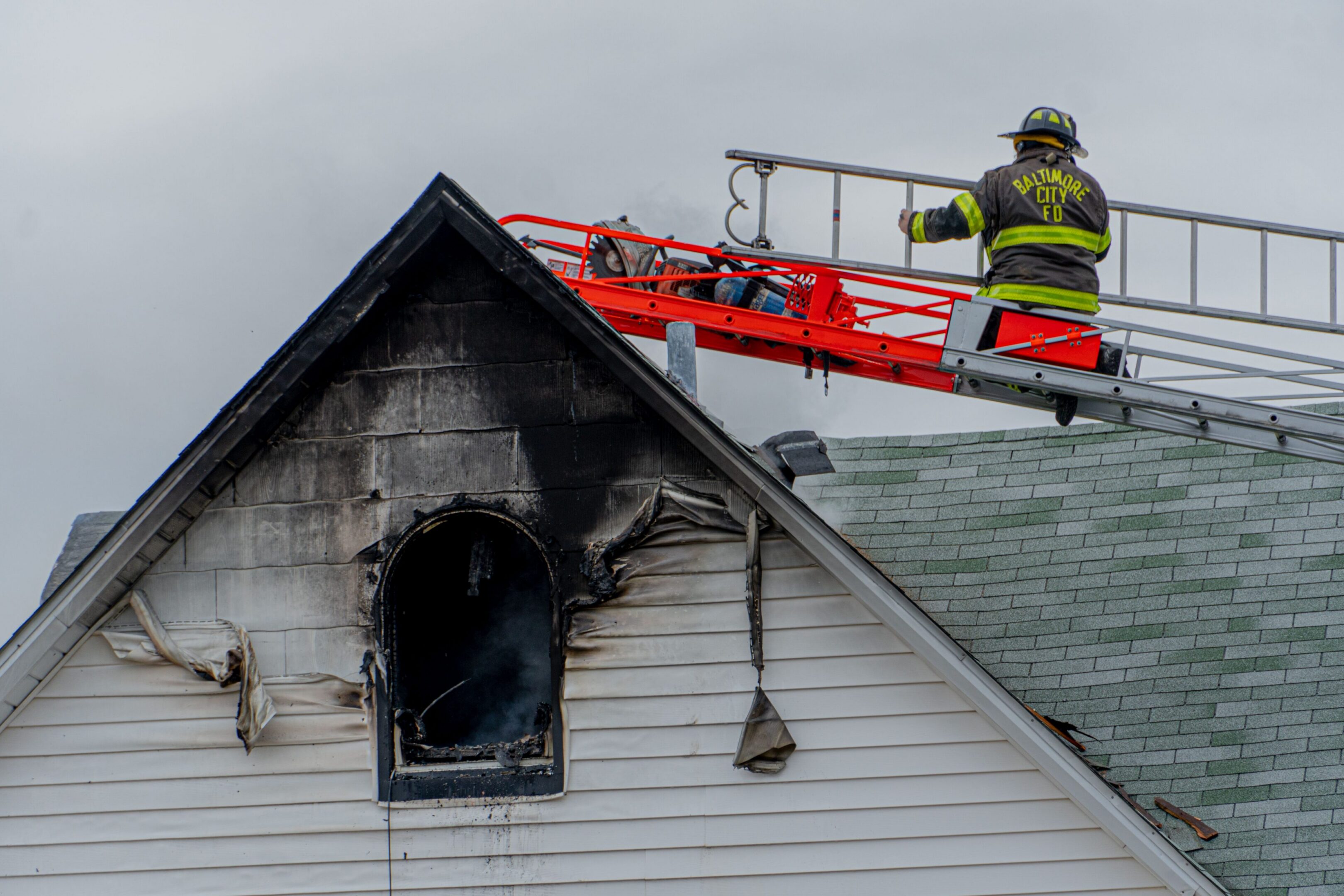
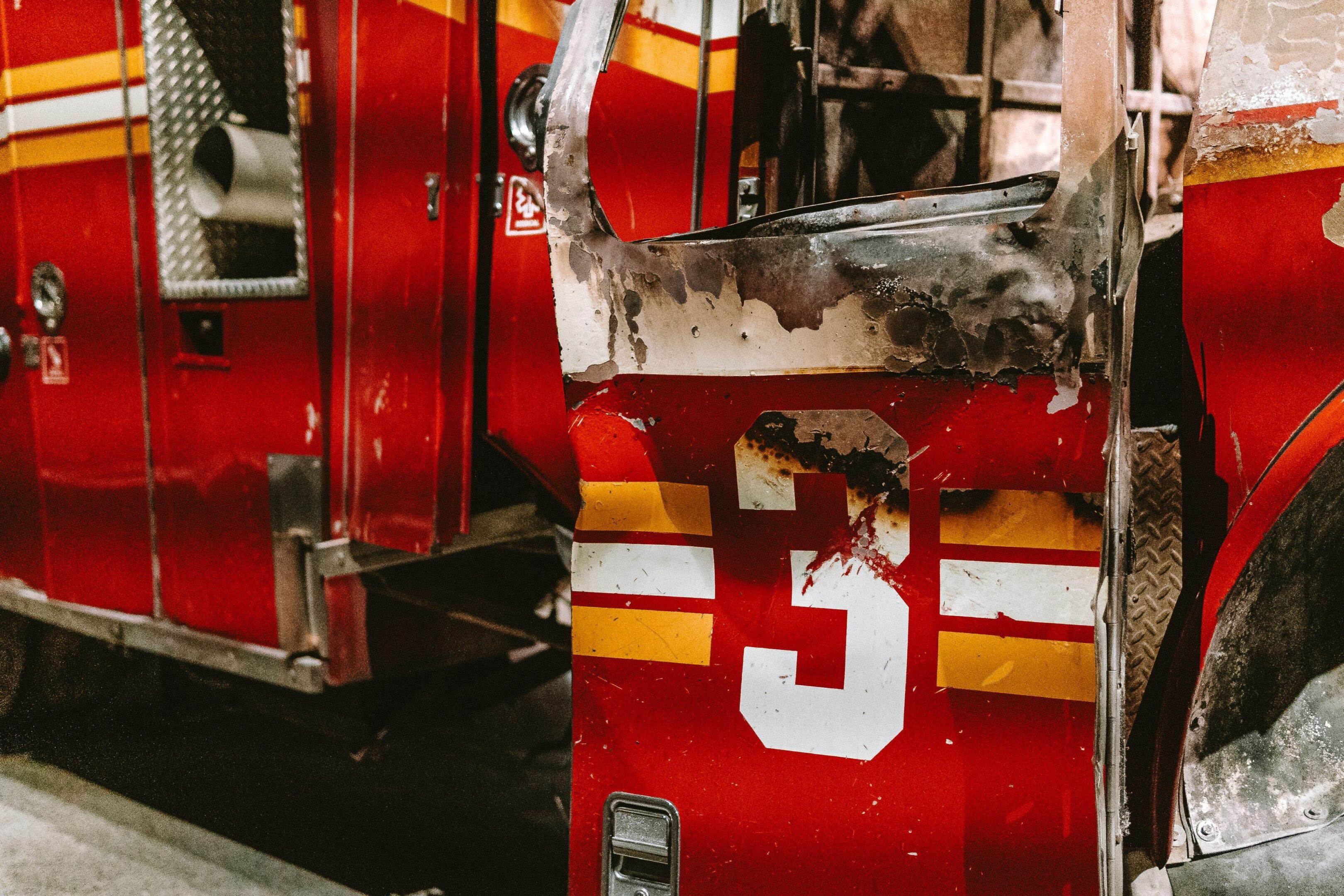
What fire and smoke can affect, and why scope gets complicated.
Fire damage is not limited to the area that visibly burned. Heat, smoke, soot, water used during suppression, and airborne residue can affect finishes, contents, equipment, HVAC systems, and rooms far from the point of origin.
Disputes often focus on how far the damage traveled, whether items should be cleaned or replaced, how damaged contents are valued, and what work is necessary to return the property to its pre-loss condition. The answer depends on the facts, the policy, and the evidence preserved after the loss.
Where fire and smoke claims tend to break down.
The insurer may agree that a covered fire occurred but still dispute the full scope of restoration. Common disagreements involve smoke migration, soot residue, odor, hidden contamination, cleaning versus replacement, and whether materials or contents can truly be restored.
Contents claims can become especially difficult when personal property, business equipment, inventory, furniture, or finishes must be documented and valued item by item. Temporary housing or business interruption records may also become important depending on the property and policy.
Photograph and video the property before major cleanup when it is safe to do so. Keep fire-department records if available, inventories, receipts, repair estimates, cleaning proposals, temporary housing or business interruption records, and every communication with the insurer.
A direct line to the person handling your case.

Direct Attorney Access
You work directly with the attorneys on your file, not a rotating call center or a case manager you've never spoken to.

Clear Communication, Every Step
You will know where your claim stands and what happens next. No radio silence, no guessing.

Honest, Client-First Advocacy
Every case gets reviewed honestly, including telling you directly when litigation isn't the right next step.

Local Roots, Statewide Reach
Based in South Florida, representing policyholders throughout the state in property insurance disputes.
Free initial consultation, no obligation.
A short note about the fire, the insurer response, and what remains unresolved is enough to start.
Signals worth noting
If this sounds familiar, a legal review may help.

The insurer wants to clean items you believe cannot be fully restored
Smoke, soot, or odor reached areas missing from the insurer estimate
Contents were valued far below what you expected or documentation was ignored
Temporary housing, business interruption, or additional restoration costs remain unresolved
A few that come up most.
When it is safe, photograph and video affected rooms, surfaces, contents, visible soot, smoke residue, and damaged property before major cleanup. Keep fire-department records if available, inventories, receipts, repair estimates, cleaning proposals, temporary housing expenses, and insurer correspondence.
Yes. A dispute may still arise over how far smoke or soot traveled, which rooms or materials were affected, whether cleaning is sufficient, and the scope or cost of restoration.
Cleaning versus replacement is a common dispute point. The answer can depend on the item, material, contamination, odor, restoration method, professional findings, policy language, and the actual results of proposed cleaning.
Depending on the policy and facts, additional living expenses may be available when a covered loss makes the property uninhabitable. Keep receipts and records for temporary housing and related expenses, and review the policy for applicable terms and limits.
A contents claim may involve many separate items, varying ages and conditions, incomplete receipts, and different valuation methods under the policy. A detailed inventory, photographs, purchase records, and other proof of ownership can help create a clearer record.
Florida law sets notice deadlines for certain property insurance claims, and the applicable timeline can depend on the date and type of loss. Because deadlines can change, the current law and policy should be reviewed for the specific claim.
Eduardo M. Pimentel, P.A. represents homeowners and businesses statewide in Florida in denied, delayed, and underpaid property insurance claims, including fire and smoke losses when appropriate for the firm’s practice.
Related claim type