
When a hurricane damages your property, the claim shouldn't be the hardest part.
One storm can trigger wind, rain, and water damage at once, each handled differently by your policy. Tell us what happened and find out where you actually stand.
Free case review. Takes about two minutes, a team member follows up personally.
What causes it, and why coverage gets complicated.
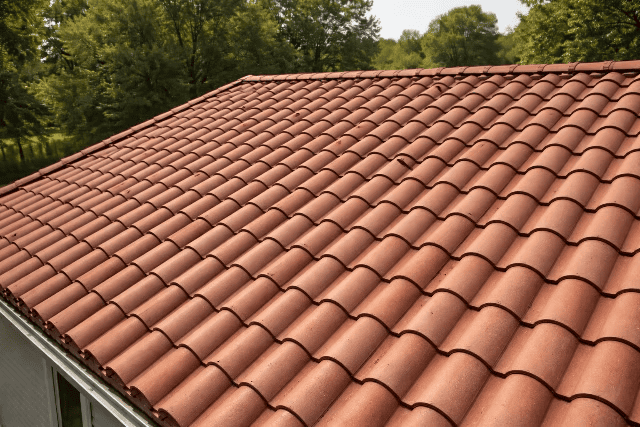
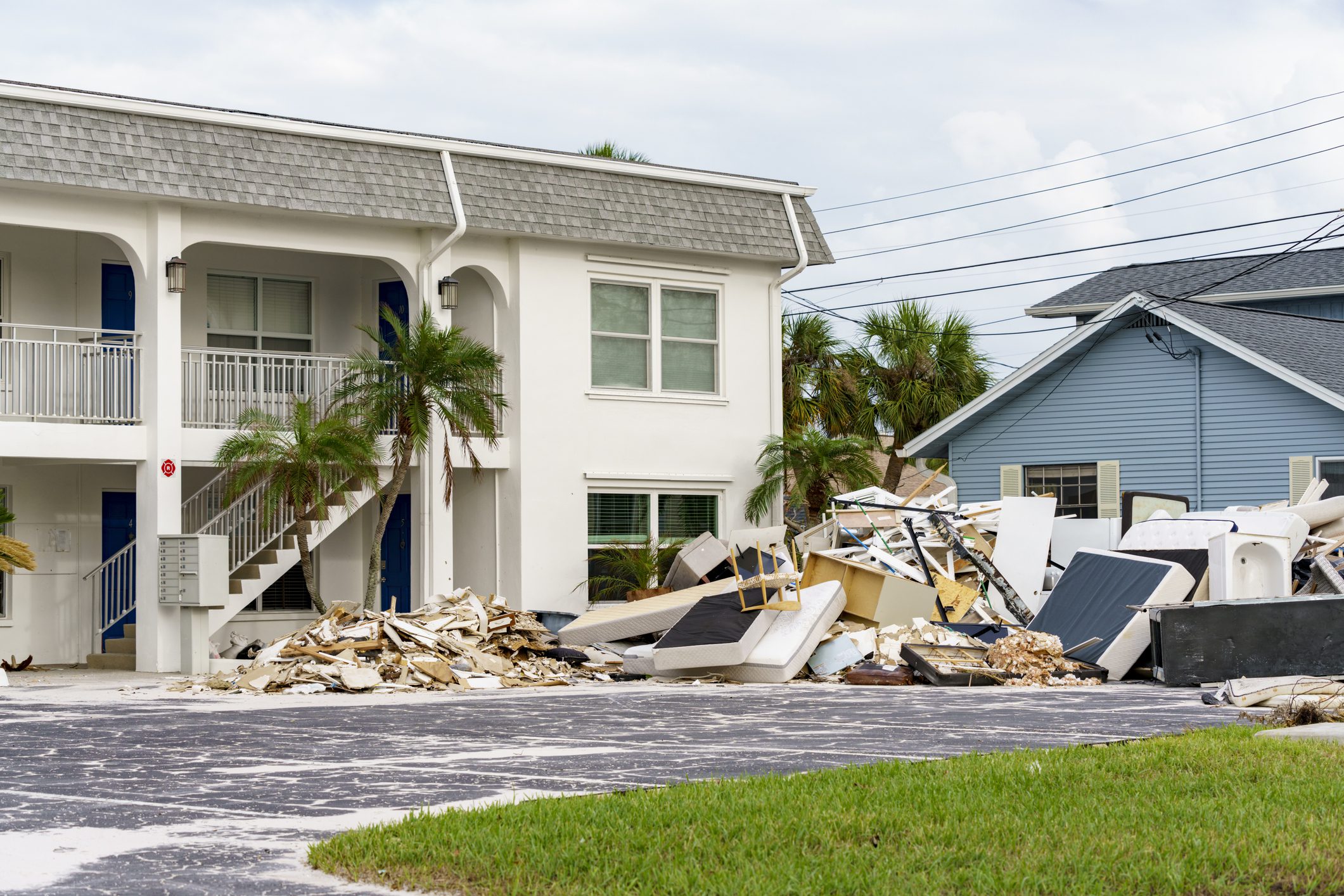
Hurricanes and named tropical storms are among the largest drivers of property insurance disputes in Florida. A storm can damage a roof, drive wind-blown rain through the building envelope, and cause flooding, sometimes all in the same event, and each of those causes can fall under different coverage.
Many Florida homeowners policies cover wind damage, while flood damage is typically excluded and addressed under separate flood coverage, if available. Because a single storm can produce both wind and flood damage, disputes can arise over which peril caused a particular part of the loss.
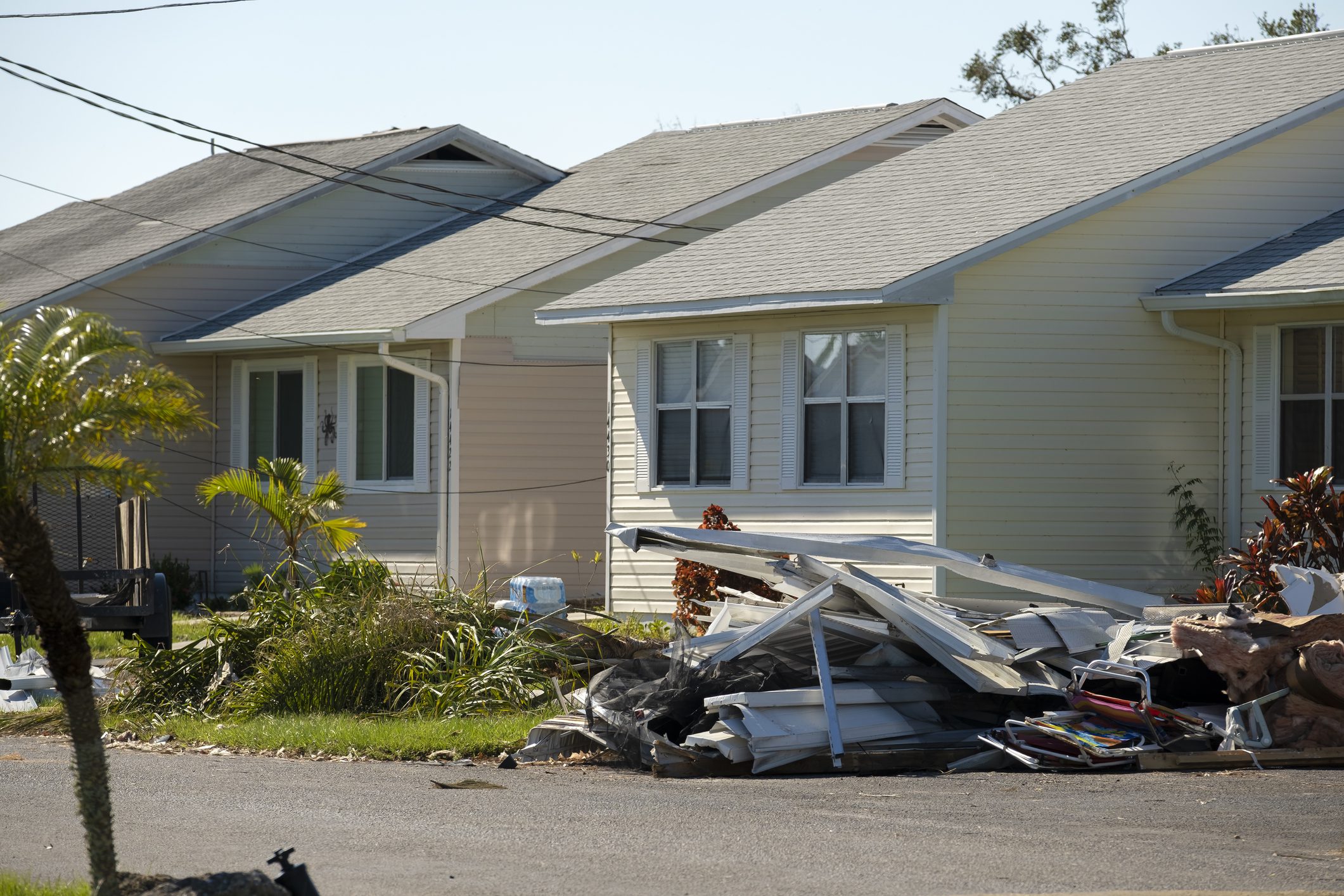
The days after a storm often matter as much as the storm itself. Power outages, water shortages, and displacement are common, and buildings left standing but exposed to moisture can develop mold in the weeks that follow, a separate and often under-insured problem of its own.
Where these claims tend to break down.
A single hurricane can lift a roof edge, drive rain through a broken window, and leave flood water at the same address in a matter of hours. The record built in the first days after the storm often decides which category the insurer applies to the loss.
Photograph exterior and interior damage before tarping or cleanup, keep receipts for emergency work, and save every communication with the carrier and any contractor who inspects the property.
Insurers typically send a field adjuster to inspect the property in person before issuing a decision. Documenting the damage before that inspection, and following up in writing afterward to confirm what was discussed, creates a record that can matter later. Roof damage in particular is often hard to access and easy to underestimate during a brief walkthrough.
A direct line to the person handling your case.

Direct Attorney Access
You work directly with the attorneys on your file, not a rotating call center or a case manager you've never spoken to.

Clear Communication, Every Step
You will know where your claim stands and what happens next. No radio silence, no guessing.

Honest, Client-First Advocacy
Every case gets reviewed honestly, including telling you directly when litigation isn't the right next step.

Local Roots, Statewide Reach
Based in South Florida, representing policyholders throughout the state in property insurance disputes.
Free initial consultation, no obligation.
A short note about the loss and where the claim stands is enough to start a review.
Signals worth noting
If this sounds familiar, a legal review may help.

Insurer calls damage pre-existing rather than storm related
Hurricane deductible appears misapplied
Wind versus flood attribution is being used to reduce payment
You are approaching a statutory deadline
A few that come up most.
Photograph and video the damage before any tarping, cleanup, or repairs begin. Keep receipts for emergency work and save every piece of correspondence with the insurer.
Most Florida homeowners and commercial policies cover wind damage from a named storm. The hurricane deductible and any exclusions in the policy still apply.
Generally no. Storm surge and flood water are typically excluded from a standard homeowners policy and require separate flood coverage, even when the flooding happens during the same hurricane.
A separate, often larger deductible that applies specifically to named storm losses, commonly a percentage of the dwelling coverage limit rather than a flat dollar amount.
Many policies contain language that can exclude an entire loss if an excluded peril, like flood, contributed to the damage alongside a covered peril, like wind. How this clause is applied is often a central point of dispute in hurricane claims.
Insurers sometimes argue roof damage reflects age rather than the storm. Weather data, roofing reports, and photographs close to the date of the storm can help address that position.
Florida law sets specific notice deadlines for hurricane and windstorm claims, and the applicable deadline can depend on the date of loss and other circumstances. The current law and policy should be reviewed for the specific claim.
Think your claim is really about roof or wind damage?
A short note about the loss and where the claim stands is enough to get started.